Why Did Google Disable this Security Feature?
Our top stories this week:
- GrapheneOS Unable to Complete Pixel 11 Port Due to Cut Security Feature
- Pixel 11 Has Hardware MTE Support, "May Still Be Usable" for GrapheneOS
- Trump Goes After Anonymous Email Provider in Italy. The Real Target Is Free Speech in the U.S.
- Brave launches Email Aliases to keep your personal email address private from websites
- Introducing Ad Blocker for Firefox on iOS: More Control, Fewer Distractions
TWIP Live 🔴
Updates from the Team
Site Updates
This week we committed a few small but important updates to the website. We fixed a few dead links on the page about Privacy Guides' origin story, updated our advice about how to use Arch Linux properly, and removed Mullvad DNS from our list of recommended DNS resolvers since Mullvad has announced their intent to shut down the service.
 privacyguides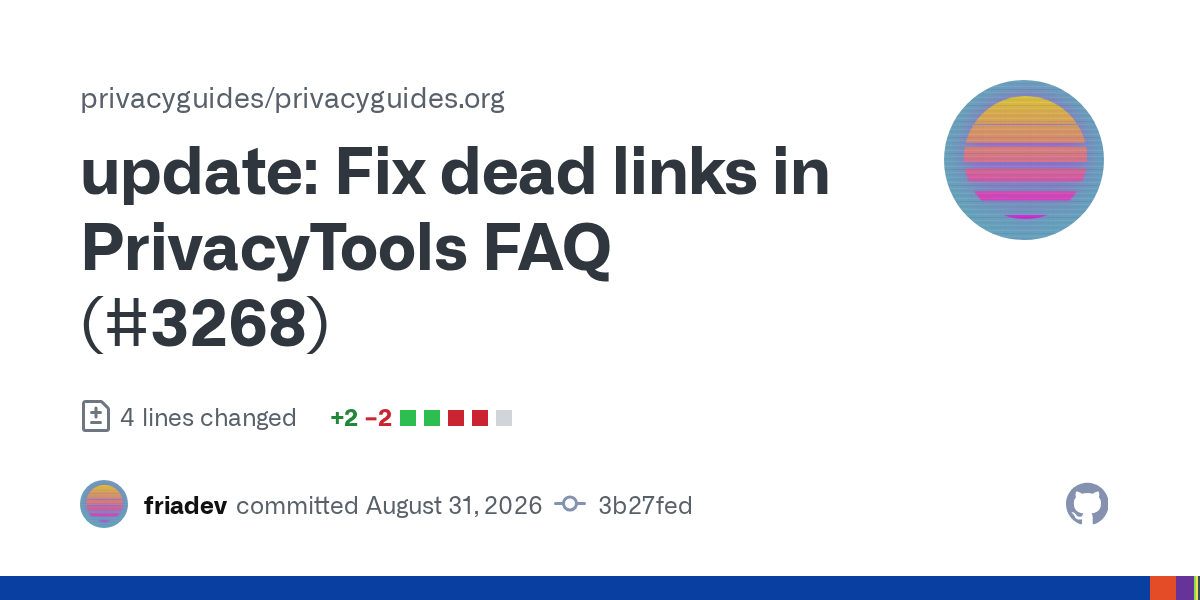
 privacyguides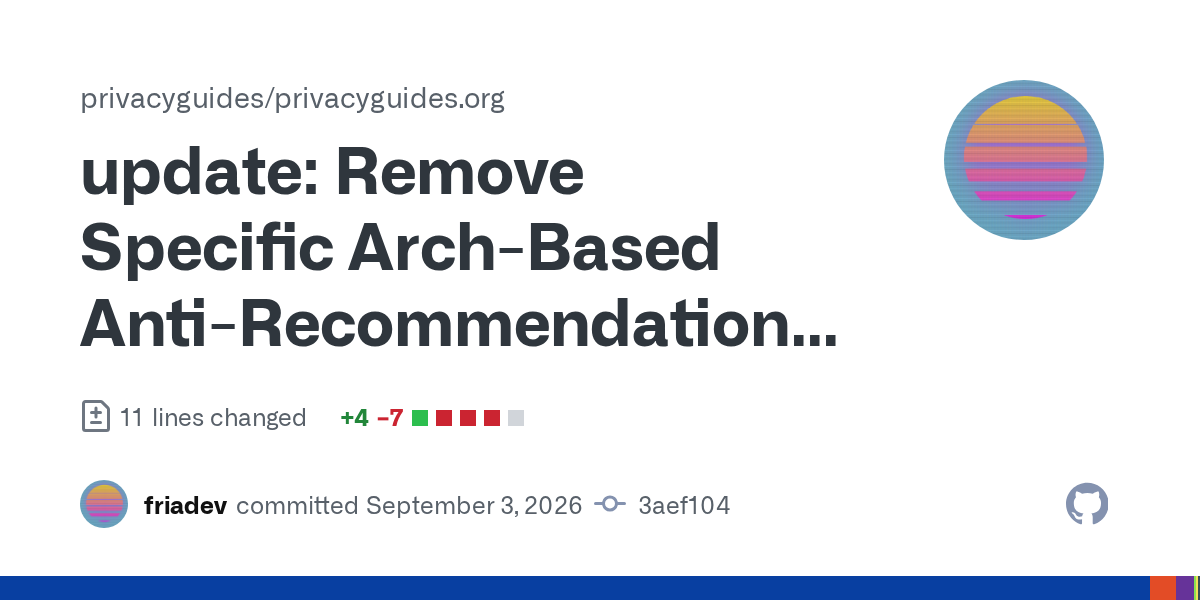
 privacyguides
News Briefs
This week, Fria covered the highlight stories as they happened, so remember to subscribe to our news briefs to get updates ASAP without having to wait til Friday. Besides that, we also covered stories about the new Signal Android beta that has support for accounts without phone numbers, a bug in Google Messages sending old texts to random people, a router manufacturer found with multiple backdoors in the products, and more!
 Jonah Aragon
Sources
Pixel 11 & Graphene Updates
When the Pixel 11 was released a few weeks ago, we asked the same question many privacy enthusiasts did: when will GrapheneOS support it? Much to our shock, this week the Graphene team announced that during their investigations, a critical security feature present in all previous Pixels (starting with the 8 series) called Memory Tagging Extension (MTE) was removed. MTE is a foundational part of Graphene. The team announced they were considering skipping support for the 11 series, but then later announced the next Android 17 Beta had re-added MTE support. They haven't officially announced if they will support the Pixel 11 or not. This is an ongoing story, so subscribe to our news briefs and stay tuned.
 Fria Reyes
 Fria Reyes